Ultimate Super Bear Adventure Tips & Guides: Advanced Strategies That Make Exploration, Coins, and Progression Much Easier
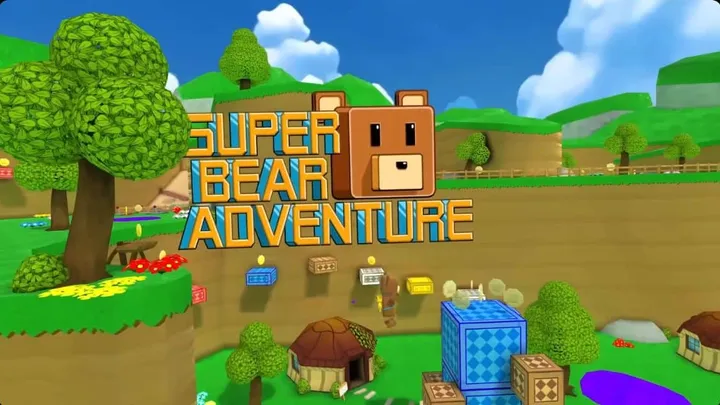
Super Bear Adventure may appear simple during the first hour, but players quickly discover that the game hides far more depth than expected. Behind the colorful environments and friendly atmosphere lies a surprisingly layered platforming experience filled with hidden mechanics, exploration puzzles, movement optimization, secret routes, and advanced traversal systems that many casual players never fully understand.
The biggest challenge for most players is not combat difficulty. Instead, it is inefficiency. New players spend huge amounts of time wandering aimlessly, revisiting locations repeatedly, missing hidden collectibles, and struggling with movement sections that become much easier once the game’s systems are understood properly.
Experienced players approach Super Bear Adventure very differently. They understand how terrain affects movement, how environmental clues reveal secrets, how vertical exploration leads to better rewards, and how progression systems are designed to encourage revisiting earlier locations later in the game. They also know how to reduce wasted movement, identify hidden routes instantly, and use momentum mechanics to travel across maps much faster than normal players.
This guide focuses deeply on advanced tips and practical strategies that genuinely improve gameplay efficiency. Instead of giving generic beginner advice, this article explains how skilled players approach exploration, movement, puzzles, collectibles, hidden areas, enemy interaction, and progression planning inside Super Bear Adventure.
Why beginners struggle more than necessary in Super Bear Adventure
Many players unintentionally make the game harder because they misunderstand its design philosophy. Super Bear Adventure is not meant to be played like a straight-line mission game.
The world is built around curiosity and layered exploration.
Players who rush directly toward objectives usually:
- Miss hidden collectibles
- Ignore movement shortcuts
- Forget important landmarks
- Waste time backtracking later
- Fail to unlock efficient travel routes
The game constantly rewards players who observe carefully rather than moving quickly without thinking.
The hidden importance of patience
One of the biggest differences between beginners and experienced players is pacing.
Advanced players frequently stop to:
- Look upward
- Check behind structures
- Examine cliff edges
- Search for suspicious gaps
- Study vertical terrain
Many secrets are intentionally hidden above normal camera angles.
Why observation is more valuable than combat skill
Combat is relatively simple compared to exploration mastery.
Most difficult moments in the game involve:
- Reaching hidden locations
- Solving traversal challenges
- Understanding environmental clues
- Managing movement momentum
Players who improve observation skills progress far faster overall.
How to master movement mechanics early
Movement is the single most important skill in Super Bear Adventure. Players who fail to understand advanced movement mechanics will struggle throughout the entire game.
Most beginners only use basic running and jumping. However, the physics system contains subtle momentum mechanics that dramatically improve exploration efficiency.
Understanding momentum preservation
Momentum preservation occurs when players avoid fully resetting movement speed after landing.
Experienced players:
- Chain jumps continuously
- Land while maintaining forward input
- Use slopes to increase movement flow
- Avoid unnecessary stops
This creates smoother and faster traversal across large areas.
Why downhill movement matters
The game’s terrain physics slightly reward downhill momentum.
When running downhill:
- Jump distance increases
- Speed remains preserved longer
- Movement chains become smoother
Advanced players often use hills strategically to travel quickly across regions.
The value of controlled jumping
Beginners often spam jumps constantly. This usually reduces control.
Good movement requires:
- Precise jump timing
- Controlled landing angles
- Camera alignment
- Terrain awareness
Efficient movement is about consistency rather than random speed.
The smartest way to collect coins without wasting hours
Many players believe grinding enemies is the best way to collect coins. This is extremely inefficient compared to exploration-based collection strategies.
The best players create optimized exploration routes instead.
How efficient coin routing works
Strong coin routes combine:
- Vertical exploration
- Hidden cave discovery
- Puzzle rewards
- Platform challenge rewards
- Shortcut pathways
This allows players to collect large amounts of currency naturally while progressing.
Why vertical exploration is essential
The game heavily rewards players who climb higher elevations.
Important rewards are often hidden on:
- Rooftops
- Floating platforms
- Cliff edges
- Tall trees
- Towers
Ground-level exploration alone misses huge amounts of collectibles.
Coin priorities for early progression
Some collectibles are worth delaying temporarily.
Focus early on:
- Easy high-value clusters
- Puzzle-based rewards
- Visible hidden routes
- Movement-accessible treasure areas
Avoid wasting excessive time on extremely difficult precision collectibles too early.
How to identify hidden secrets faster than normal players
One reason experienced players progress efficiently is because they recognize secret patterns instantly.
The developers repeatedly use environmental language to hint at hidden content.
Common environmental clues
Suspicious locations often include:
- Odd wall textures
- Isolated structures
- Empty corners
- Small ledges
- Decorative openings
- Unusual shadows
When something looks visually “different,” it usually matters.
Why waterfalls are always worth checking
Classic platformer design strongly influences Super Bear Adventure.
Waterfalls frequently hide:
- Secret entrances
- Collectibles
- Alternate pathways
- Puzzle rooms
Always inspect:
- Behind waterfalls
- Above waterfall cliffs
- Side gaps near water edges
Ignoring waterfalls causes many missed discoveries.
How lighting reveals hidden areas
Some hidden locations subtly manipulate lighting.
Watch carefully for:
- Darkened corners
- Bright reflections
- Unusual color contrast
- Shadow gaps
These often indicate secret passages nearby.
Advanced platforming techniques most players never learn
Platforming becomes dramatically easier once players understand recovery mechanics and jump control.
Most beginners fail because they panic after small mistakes.
How recovery movement works
Even failed jumps can often be saved through:
- Directional correction
- Edge sliding
- Wall recovery jumps
- Momentum redirection
Experienced players rarely give up immediately after a mistake.
Why camera positioning matters so much
Poor camera alignment causes more deaths than difficult jumps themselves.
Before difficult platforming:
- Rotate the camera manually
- Center the landing platform
- Check depth perception
- Remove visual obstruction
Stable camera control improves consistency enormously.
How to improve jump timing naturally
Instead of reacting emotionally, skilled players develop rhythm awareness.
Most moving platform sections operate with:
- Predictable loops
- Stable timing cycles
- Consistent movement speeds
Observation matters more than fast reactions.
How to use enemy behavior strategically
Many players either attack everything or avoid combat completely. Advanced players use enemies intelligently.
Enemies can actually improve traversal in certain situations.
Using knockback intentionally
Some enemy attacks create movement opportunities.
Controlled damage sometimes helps players:
- Reach higher ledges
- Cross larger gaps
- Preserve momentum
- Skip sections
This technique requires practice but becomes very powerful.
Understanding patrol logic
Enemies usually follow predictable systems.
Common behaviors include:
- Fixed patrol routes
- Vision triggers
- Attack cooldown windows
- Directional limitations
Learning these patterns makes dangerous areas far easier.
Why unnecessary combat wastes time
Combat rarely provides enough reward to justify constant fighting.
Avoid battles unless:
- Required for progression
- Blocking collectibles
- Necessary for puzzle solving
- Protecting important routes
Exploration efficiency matters far more.
The best progression strategy for every world
One of the biggest mistakes players make is trying to fully complete every area immediately.
Super Bear Adventure rewards flexible progression instead.
The hybrid completion method
Experienced players typically:
- Collect easy rewards first
- Unlock movement upgrades
- Explore advanced regions
- Return later for harder collectibles
This approach saves huge amounts of time.
Why backtracking becomes easier later
Movement upgrades transform earlier regions completely.
Returning later allows:
- Faster traversal
- Easier climbing
- Better precision
- More efficient exploration
Some difficult collectibles become surprisingly simple afterward.
How to mentally track important locations
Strong players remember:
- Locked doors
- Suspicious ledges
- Unreachable platforms
- Puzzle symbols
- Hidden tunnels
These locations often become important later.
How to solve difficult puzzles efficiently
Many puzzle sections appear confusing because players rush instead of observing.
The game usually teaches puzzle logic visually.
Recognizing puzzle language
Environmental puzzles often use repeated visual cues such as:
- Matching colors
- Directional arrows
- Symbol patterns
- Lighting changes
- Sound indicators
The solution is usually already visible somewhere nearby.
Why slowing down helps enormously
Fast movement often causes players to miss obvious clues.
Before solving puzzles:
- Stop moving briefly
- Observe the full room
- Identify unusual objects
- Test interactions carefully
Patience solves many “difficult” puzzles quickly.
The importance of environmental memory
Earlier puzzle mechanics frequently return later with variations.
Players who remember previous puzzle structures adapt much faster.
Checkpoint and travel optimization strategies
Most players only think about checkpoints defensively. Advanced players use them strategically.
Efficient checkpoint management reduces huge amounts of wasted travel.
When to activate checkpoints
Before activating checkpoints:
- Collect nearby easy rewards
- Unlock shortcuts first
- Explore surrounding terrain
This prevents unnecessary repetition later.
Why teleport unlocks are extremely valuable
Fast travel dramatically improves late-game efficiency.
Always prioritize unlocking:
- Teleport points
- Shortcut routes
- Traversal hubs
- Major regional connections
This makes cleanup exploration much easier later.
How advanced players create travel loops
Efficient travel routes combine:
- Coin collection
- Objective completion
- Shortcut access
- Hidden area exploration
This minimizes wasted movement between tasks.
The hidden psychology behind successful exploration
Exploration skill is partly mental.
Good players think differently while moving through the world.
The three-layer exploration method
Advanced players mentally divide levels into:
- Ground paths
- Mid-elevation routes
- High-elevation areas
This systematic approach prevents missed collectibles.
Why curiosity matters more than speed
The game constantly rewards experimentation.
Players should regularly ask:
- Can I climb that?
- Why is that object isolated?
- Is that wall suspicious?
- Why is this platform here?
Curiosity reveals hidden content naturally.
How experienced players scan environments
Instead of staring only forward, advanced players constantly check:
- Above
- Behind
- Below ledges
- Edge corners
- Vertical structures
This dramatically improves secret discovery.
Late-game survival and high-difficulty strategies
Late-game sections combine every mechanic learned earlier.
Players must balance:
- Precision movement
- Puzzle awareness
- Enemy management
- Camera control
- Momentum conservation
Preparation becomes extremely important.
How to reduce frustration during difficult sections
Frustration causes:
- Rushed movement
- Camera mistakes
- Overjumping
- Panic decisions
Experienced players remain controlled after failure.
Best preparation habits
Before difficult platforming:
- Study movement cycles
- Check escape routes
- Observe enemy timing
- Practice recovery movement
Preparation improves consistency enormously.
Why rhythm matters in difficult content
Most difficult sections follow consistent patterns.
Players who recognize timing rhythm perform far better than players relying purely on reflexes.
Hidden advanced tricks used by expert players
Several advanced mechanics remain unknown to most casual players.
These techniques can dramatically improve movement and exploration.
Slope acceleration chains
Running downhill while chaining jumps preserves extra momentum.
This is useful for:
- Speedrunning
- Fast exploration
- Large map traversal
- Timed challenges
Corner climbing mechanics
Some map geometry allows slight collision climbing.
By jumping diagonally into corners repeatedly, players can gain extra height.
This sometimes allows access to hidden locations earlier than intended.
Shadow-based platforming
Advanced players frequently align jumps using shadows rather than character models.
This improves landing precision significantly during difficult platforming sections.
Momentum conservation landings
Landing while already holding movement direction preserves speed more efficiently.
Small optimization becomes powerful over long exploration sessions.
Conclusion
Super Bear Adventure becomes far more rewarding once players understand its deeper mechanics and exploration philosophy. What initially appears to be a simple mobile platformer gradually reveals a surprisingly layered experience built around movement mastery, environmental observation, secret discovery, and intelligent progression planning.
The best players are not necessarily those with the fastest reflexes. Instead, they are the players who understand how the world is designed. They recognize visual clues, preserve movement momentum, optimize exploration routes, and use environmental knowledge to reduce wasted time dramatically.
Mastering advanced traversal techniques, strategic backtracking, efficient coin routing, puzzle recognition, and movement recovery transforms the game from a casual adventure into a deeply satisfying exploration platformer with impressive long-term replay value.
Most importantly, Super Bear Adventure constantly rewards curiosity. Every suspicious wall, isolated platform, hidden tunnel, unusual structure, or strange environmental detail exists for a reason. Players willing to explore carefully and think creatively will discover far more than those who simply rush toward objectives.
The game’s true depth lies not only in completing levels, but in learning how exploration, movement, and discovery connect together to create a richer experience than most players expect at first glance.